
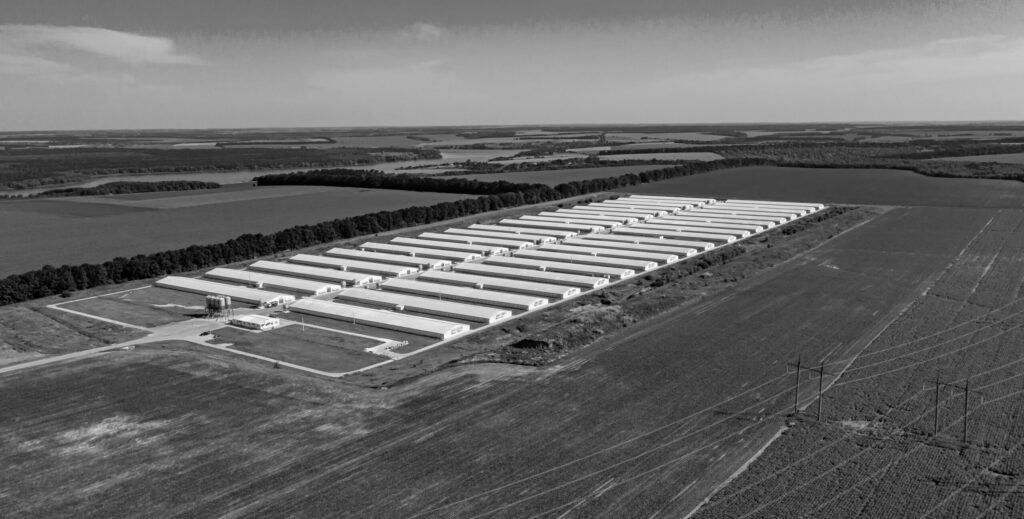
Success story · Feed Management Systems (FMS)
From 70% market share to multi-industry platform… and a strategic acquisition
Summary
- 1. 70% market share, and no room left to grow. A dominant legacy product captured its core market but was capped by twilighted technology.
- 2. Microsoft said it couldn’t be done. Advised to rebuild for each vertical every 3-5 years… rather than creating a single scalable platform.
- 3. One platform, multiple industries. Rebuilt into a modern technology platform across animal feed, ethanol, and flour manufacturing.
- 4. No runtime fees. Lower operational cost. Higher margins. Eliminated legacy runtime licensing, improving long-term profitability.
- 5. Modern architecture → acquisition by Cargill. Technology modernization and cross-vertical expansion directly enabled exit, later surviving transition to DataCor.
- 6. 15+ years later: Still modern, and still generating revenue. Clean upgrade path. No forced rewrites. No platform resets.
70% market share, and nowhere left to grow
Feed Management Systems (FMS) dominated the animal feed formulation market. With roughly 70% market share, the product was deeply embedded across mills and operations nationwide. It worked. Customers trusted it, revenue was strong, but growth had stalled.
The platform was built on twilighted technologies and tightly bound to a single vertical. Expanding into adjacent industries required either duplicating the product for each market or rewriting it entirely. Neither option was economically viable.
Rich Reynertson, CEO of FMS at the time, wanted something different: one technology platform capable of supporting multiple parallel vertical markets, without rebuilding every three years.

Microsoft said, “Rebuild every 3 years”
Before partnering with Modularis, Rich brought his expansion vision to Microsoft. The guidance was straightforward: build for one industry at a time. When entering a new vertical, create a new system. Plan to modernize or rewrite every three to five years.
A unified, long-lived, multi-vertical platform was considered too complex to sustain. For a company already owning 70% of its core market, that approach meant permanent fragmentation and escalating technical debt.
Rebuilding every three years isn’t a strategy… it’s surrender.
Rich Reynertson
Managing Director
Instead of rebuilding repeatedly, FMS partnered with Modularis to design a modern technology platform engineered for cross-vertical scalability from the start.
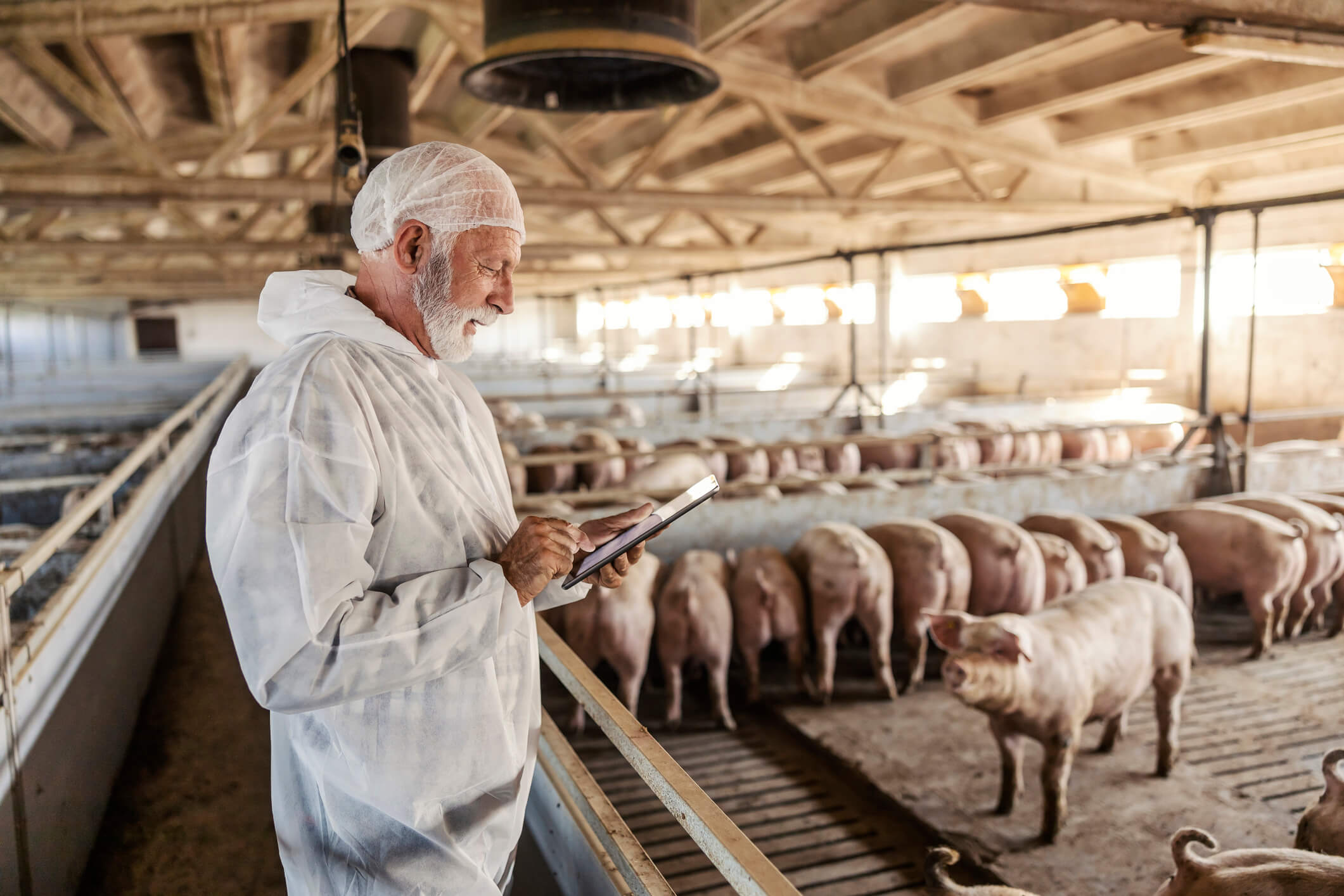
One platform. Multiple industries. No rewrites.
Modularis helped FMS replatform its legacy system into a modern technology platform designed for reuse across industries.
Instead of rebuilding separate systems for animal feed, ethanol, and flour manufacturing, the new architecture supported configurable domain logic, dynamic recipe modeling, and industry-specific workflows on a shared core foundation.
This allowed Cargill to:
- Enter ethanol production using the same core system
- Expand into flour manufacturing without rewriting the product
- Support customer-specific logic without fragmenting the codebase
Eliminating legacy runtime licensing materially improved margins and lowered the long-term cost basis of the product – a structural advantage for both the operator and any future acquirer.

Modern architecture → strategic acquisition
Rich had previously approached Cargill about acquiring FMS. The response was clear: the product’s antiquated technology stack was a liability, and modernization was not optional.
By replatforming onto a modern technology platform and expanding into parallel vertical markets, FMS transformed from a legacy risk into a scalable asset.
The impact was structural:
- Reduced perceived technical debt
- Clear scalability roadmap
- Demonstrated revenue beyond the core 70% market
- Lower operational cost due to elimination of runtime fees
- Clean architectural story for enterprise buyers
Modern architecture and demonstrated expansion strengthened the company’s negotiating position. FMS successfully sold to Cargill. Later, the division was spun off to DataCor… with the same platform still at its core.

15+ years later: Still modern. Still generating revenue.
More than fifteen years after replatforming, the technology platform remains current, supported, and revenue-producing. It has avoided the forced rewrite cycle and continues to evolve through clean upgrade paths rather than disruptive overhauls.
We don’t believe in throwaway code. M1 has to be the foundation for M2, has to be the foundation for M3, and so forth.
A.J. Singh
Founder, Modularis
The architectural decisions made at the outset still pay dividends:
- Stable access to customer data
- Operational efficiency across industries
- Sustained multi-vertical revenue
- Lower cost structure due to the absence of runtime fees
- Long-term maintainability without structural rework
Value was created at every stage of the product lifecycle — for the founder seeking growth and exit, for Cargill seeking a de-risked acquisition, and for DataCor operating and evolving the platform years later. That’s the difference between rebuilding repeatedly and building to last.
Modularis PlatformBuilder played a critical role in helping us transform our technology from a liability into a strategic asset. Their team helped us eliminate years of technical debt and build a scalable platform that allowed us to extend our solution into new markets. Not only did we improve operational capabilities, but we also generated net new revenue and positioned ourselves for acquisition.
Managing Director
Unmatched value
Value isn’t determined by what software can do, but by how well it does it.
Retail • Content Management System
80% of R&D budget moved from maintenance to revenue features

Retail • Digital Signage
stalled performance problem solved in 60 days

Telematics • IoT
IoT platform,
$200M exit

ENVIRONMENTALTECH • IoT
Accelerating successful launch of complex IoT product.

Telematics • IoT
Scaled IoT platform to 450,000 connected devices.

Biotech • Compliance
Rapidly replatformed a flagship product without rewriting it.

Private Equity • R&D
Launched new IP & streamlined integration, reducing acquisition expenses by 30%.
Healthtech • FAX
Launched AI-driven document workflow solution for 3 parallel markets

AgTech • ERP
Launched rearchitected ERP system, and generated revenue in new markets.

AgTech • Cloud
Launched modernized cloud platform in 4 months with 30% cost reduction.

EnvironmentalTech • IoT
PuriFiLabs launched a complete IoT platform in just 90 days.

Insurance • Claims Processing
Proving enterprise software automation 20 years before AI hype.

AgTech • ERP
Launched replatformed flagship product driving 400% growth in business value.

Communications • Call Center Administration
Launched unified command and control product, streamlining administration for 80 disparate vendor platforms.


We collaborate closely with Microsoft and have earned the highest standards of their partnership program.