
Modularis

Product Launch #59

From 70% market share to multi-industry platform… and a strategic acquisition

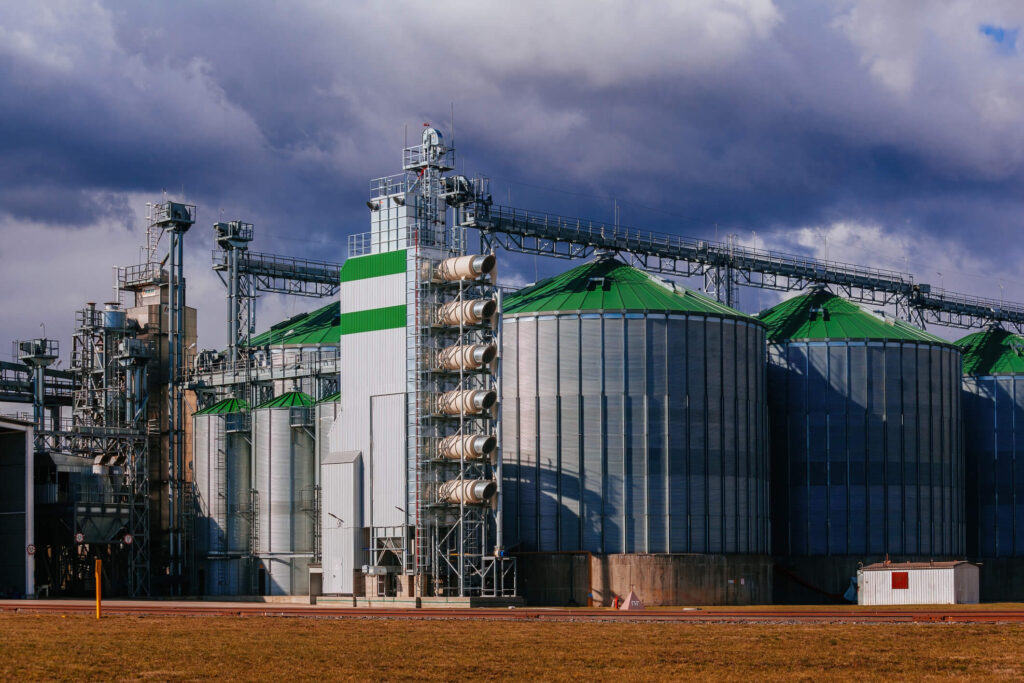
Automatic agricultural grain dryer and silos. Modern complex for drying, cleaning and storage grain.

70% market share, and nowhere left to grow

Feed Management Systems (FMS) dominated the animal feed formulation market. With roughly 70% market share, the product was deeply embedded across mills and operations nationwide. It worked. Customers trusted it, revenue was strong, but growth had stalled.

The platform was built on twilighted technologies and tightly bound to a single vertical. Expanding into adjacent industries required either duplicating the product for each market or rewriting it entirely. Neither option was economically viable.

Rich Reynertson, CEO of FMS at the time, wanted something different: one technology platform capable of supporting multiple parallel vertical markets, without rebuilding every three years.

Senior farmer using technology for work in his buffalo farm.

Microsoft said, “Rebuild every 3 years”

Before partnering with Modularis, Rich brought his expansion vision to Microsoft. The guidance was straightforward: build for one industry at a time. When entering a new vertical, create a new system. Plan to modernize or rewrite every three to five years.

A unified, long-lived, multi-vertical platform was considered too complex to sustain. For a company already owning 70% of its core market, that approach meant permanent fragmentation and escalating technical debt.

“Rebuilding every three years isn’t a strategy… it’s surrender.”
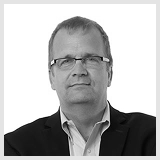
Rich Reynertson
Rich Reynertson
Managing Director

Instead of rebuilding repeatedly, FMS partnered with Modularis to design a modern technology platform engineered for cross-vertical scalability from the start.

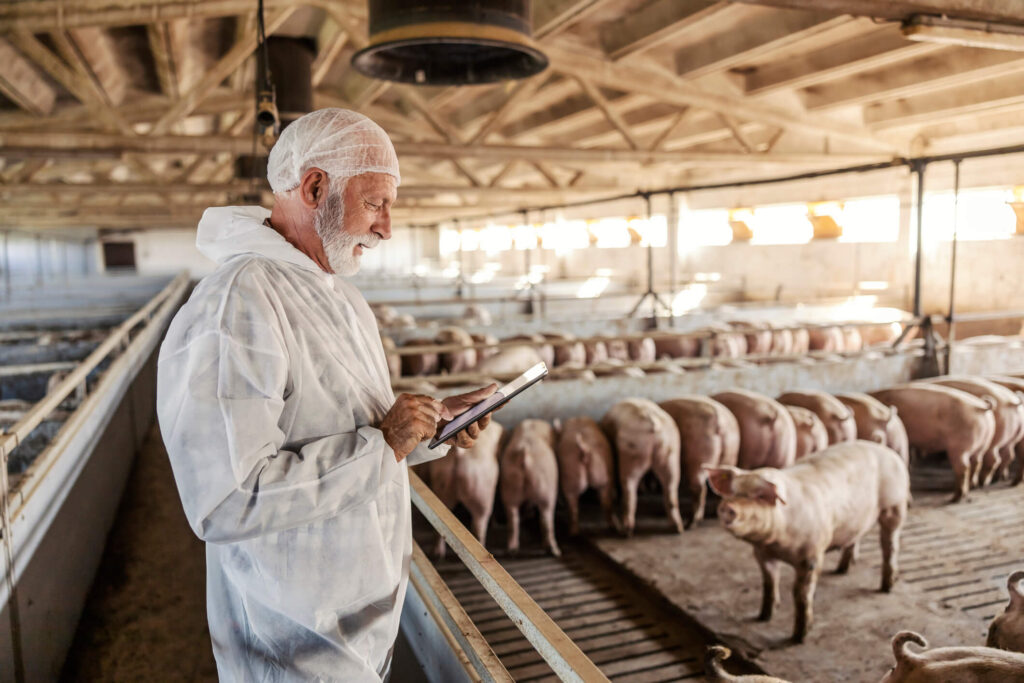
A senior veterinarian is standing next to a pig pen and checking on pigs. Health is important for meat production. A veterinarian using a tablet at a pig farm.

One platform. Multiple industries. No rewrites.

Modularis helped FMS replatform its legacy system into a modern technology platform designed for reuse across industries.

Instead of rebuilding separate systems for animal feed, ethanol, and flour manufacturing, the new architecture supported configurable domain logic, dynamic recipe modeling, and industry-specific workflows on a shared core foundation.

This allowed Cargill to:

  • Enter ethanol production using the same core system
  • Expand into flour manufacturing without rewriting the product
  • Support customer-specific logic without fragmenting the codebase

Eliminating legacy runtime licensing materially improved margins and lowered the long-term cost basis of the product – a structural advantage for both the operator and any future acquirer.

Shot of a young woman using a digital tablet while working at a cow farm

Modern architecture → strategic acquisition

Rich had previously approached Cargill about acquiring FMS. The response was clear: the product’s antiquated technology stack was a liability, and modernization was not optional.

By replatforming onto a modern technology platform and expanding into parallel vertical markets, FMS transformed from a legacy risk into a scalable asset.

The impact was structural:

  • Reduced perceived technical debt
  • Clear scalability roadmap
  • Demonstrated revenue beyond the core 70% market
  • Lower operational cost due to elimination of runtime fees
  • Clean architectural story for enterprise buyers

Modern architecture and demonstrated expansion strengthened the company’s negotiating position. FMS successfully sold to Cargill. Later, the division was spun off to DataCor… with the same platform still at its core.

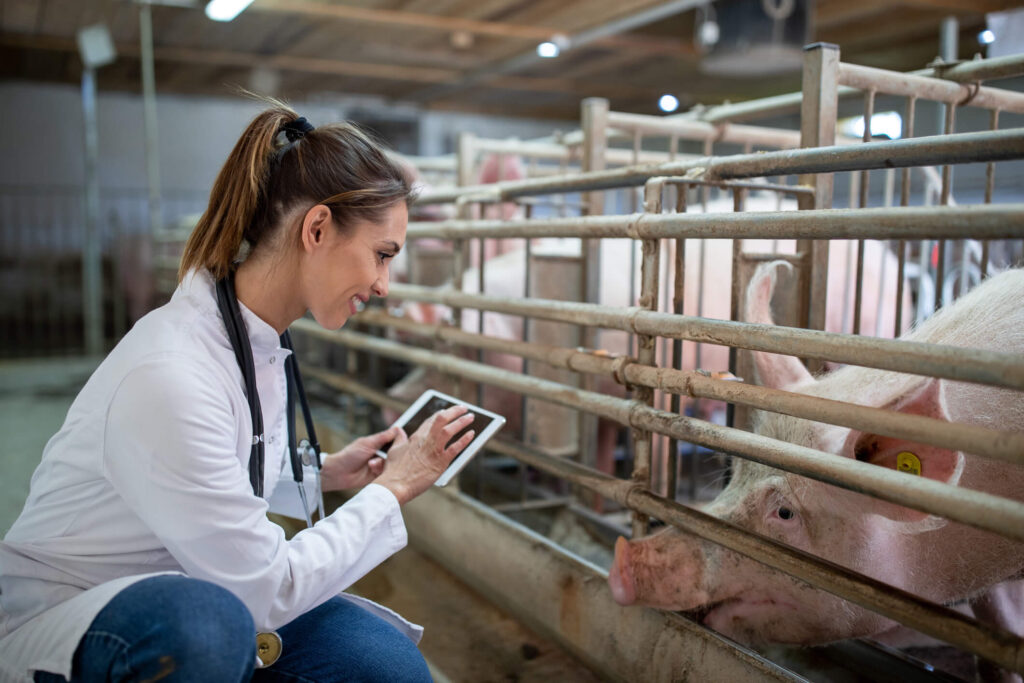
Young vet crouching in front of pig using tablet. Female doctor smiling wearing lab coat examining animals.

15+ years later: Still modern. Still generating revenue.

More than fifteen years after replatforming, the technology platform remains current, supported, and revenue-producing. It has avoided the forced rewrite cycle and continues to evolve through clean upgrade paths rather than disruptive overhauls.

“We don’t believe in throwaway code. M1 has to be the foundation for M2, has to be the foundation for M3, and so forth.”

A.J. Singh
A.J. Singh
Founder, Modularis
The architectural decisions made at the outset still pay dividends:

  • Stable access to customer data
  • Operational efficiency across industries
  • Sustained multi-vertical revenue
  • Lower cost structure due to the absence of runtime fees
  • Long-term maintainability without structural rework

Value was created at every stage of the product lifecycle — for the founder seeking growth and exit, for Cargill seeking a de-risked acquisition, and for DataCor operating and evolving the platform years later. That’s the difference between rebuilding repeatedly and building to last.

"Modularis has been a terrific strategic partner for us.They have the leadership, experience, discipline, and technology we needed to build and grow our global IoT platform."

Nick Mirchef, President, SmartWitness

Nick Mirchef

President

icon - quote

“Modularis PlatformBuilder played a critical role in helping us transform our technology from a liability into a strategic asset. Their team helped us eliminate years of technical debt and build a scalable platform that allowed us to extend our solution into new markets. Not only did we improve operational capabilities, but we also generated net new revenue and positioned ourselves for acquisition.”

icon - quote
Picture of Rich Reynertson

Rich Reynertson

Managing Director

UNMATCHED VALUE

Value isn’t determined by what software
can do, but by how well it does it.

Microsoft Gold Partner logo

We collaborate closely with Microsoft and are proud to have earned the highest standards of Microsoft’s widely-recognized partnership program.